한뉴픽
The Power of Oil Money: Can It Buy the Spirit of Sports? (No. 175 of 2025)

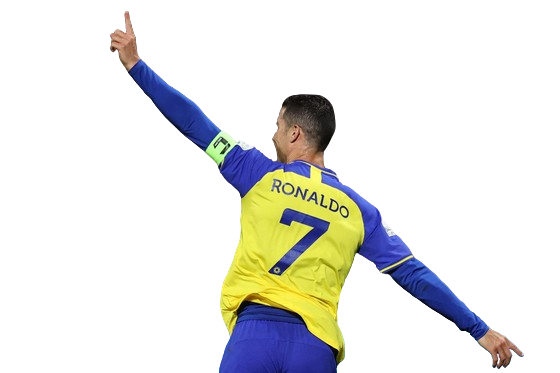
In December 2022, shortly after the FIFA World Cup Qatar came to an end, the sports industry was shaken by unexpected news: global football icon Cristiano Ronaldo signed with Al Nassr, a club based in Saudi Arabia, as a free agent. For a player past his prime, moving away from Europe—the heart of world football—might not seem too unusual. Yet, what truly stunned fans around the globe, was Cristiano’s staggering salary. He is currently earning around €200 million (approximately ₩320 billion) per year, making him one of the highest-paid athletes in the world. Not only Cristiano, from aging superstars like Neymar and Karim Benzema to players still in their prime, many have recently made the move to Middle Eastern Country's Clubs. The reason they signed over to football wasteland is simple: money—astronomical sums few clubs elsewhere can match. This wave of signings has sparked criticism that football has become increasingly dominated by capitalist logic. Then why are Saudi Arabia and other Middle Eastern nations suddenly investing so aggressively in the sports industry?
Recently, Saudi Arabia’s large-scale investments have become one of the hottest topics in the global sports scene. Massive amounts of capital—often referred to as “oil money”—are being poured not only into football but also into golf, boxing, and even e-sports, drawing some of the biggest names in the world to Saudi leagues and events. However, the kingdom’s focus on sports goes far beyond mere entertainment or spectacle. As part of its ambitious “Vision 2030” initiative, Saudi Arabia aims to reduce its dependence on oil and diversify its economy. Developing the sports industry has become one of the key pillars of this transformation. By recruiting global superstars, the country seeks for boosting international visibility, while simultaneously promoting sports tourism and event-based industries as new engines for economic growth.
Yet, this movement has also given rise to mounting accusations of “sportswashing.” Critics argue that Saudi Arabia is attempting to use the glamour of sports to mask its troubling human rights record, restrictions on freedom of expression, and discrimination against minority groups. Human rights organizations have accused the kingdom of leveraging vast financial power to divert global attention from such issues. Despite the controversy, world-class athletes continue to head to Saudi Arabia for one clear reason: money. With salaries and bonuses that far exceed those offered by Europe’s top leagues, financial reward has become the ultimate motivator—often outweighing considerations of legacy or competition. In this sense, Saudi Arabia’s strategy appears to be working with striking effectiveness.
The question remains: can sports truly grow on money alone? Without the passion of fans and the deep-rooted traditions built over decades, it remains uncertain whether nations backed by oil wealth can establish themselves as the new center of the global sports world. Still, one thing is clear — Saudi Arabia’s massive capital is undeniably reshaping the landscape of international sports.
Saudi Arabia’s investment in sports is not merely an industrial expansion but one of the national strategy. It intertwines with goals of economic diversification, global image enhancement, and nation branding. However, allegations of “sportswashing” — using sports to cover up human rights issues — continue to shadow the kingdom’s sporting ambitions. Ultimately, for Saudi Arabia’s sports industry to achieve genuine and sustainable growth, it must secure values and trust that go beyond money. On the glittering stage built by oil money, the real challenge will be how well the integrity and spirit of sports can be preserved.
Hwang Ho Rim, Lim Sang Hyeok / Reporter
정보관리부서 : 홍보팀
최종 수정일 : 2026-04-06